Moving Day Is a Workout: How to Prepare Your Body, Lift Safely, and Recover
Moving day burns serious calories and puts real strain on your body. Here is how to train, fuel, lift, and recover like a pro — and when to let the pros handle it.
Ask anyone who has moved without professional help and they will tell you the same thing: moving day is one of the most demanding physical events of the year. Between hauling boxes down three flights of stairs, wrestling a couch through a doorway, and loading a truck in the July heat, a single Ottawa move can rival a two-hour gym session — often several of them back to back. Yet almost nobody trains for it.
That is a mistake. Treating your move like the athletic event it actually is will help you avoid injury, keep your energy up from the first box to the last, and recover faster afterward. In this guide we break down exactly how to prepare your body for moving day: how to train in the week before, how to fuel and hydrate for endurance, how to lift heavy items safely, and how to bounce back once the truck is unloaded. We will also be honest about the moment it makes more sense to put the barbell down and call a professional Ottawa moving crew instead.
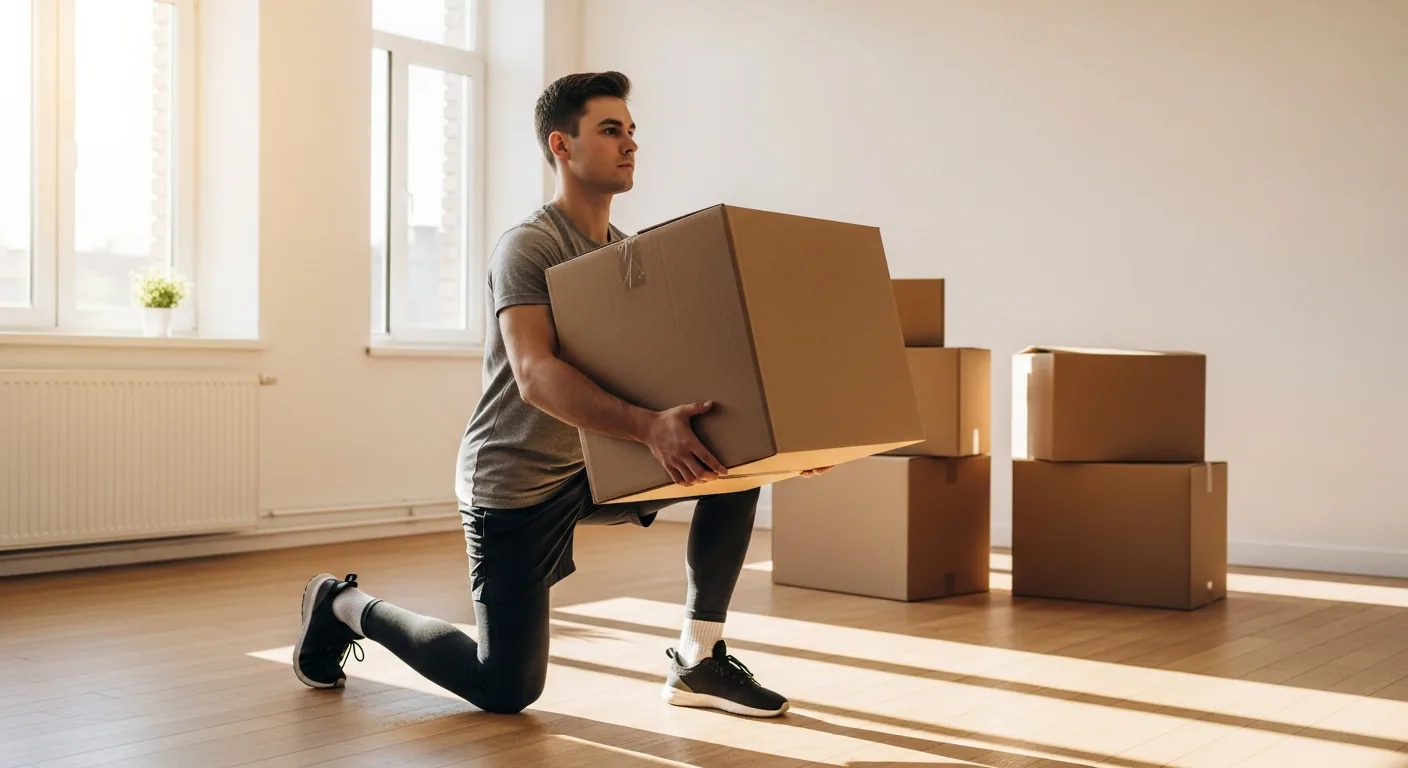
Why Moving Day Is One of the Hardest Workouts You Will Ever Do
People chronically underestimate how physical a move really is. You are not just lifting — you are lifting, carrying, twisting, climbing stairs, and stabilizing awkward loads for hours, usually with poor rest and irregular hydration. Research on manual material handling consistently shows that repetitive lifting combined with twisting is one of the leading causes of lower-back injury, and moving day stacks every one of those risk factors into a single afternoon.
Here is what a typical local move actually asks of your body, by the numbers:
Figures above are general estimates based on typical Ottawa household moves; your numbers will vary with home size, access, and pace.
The takeaway is simple: if you would not sprint a half-marathon without training, you should not sprint a move without preparing either. The good news is that even a week of smart preparation makes a measurable difference in how you feel on the day — and how you feel the morning after.
The 7-Day Body Prep Plan Before Moving Day
You cannot build serious strength in a week, but you can prime your muscles, joints, and nervous system so the load feels lighter and the risk of injury drops. The goal in the final week is activation and mobility, not exhaustion. Do not show up to moving day already sore from a brand-new workout program.
Consistency beats intensity here. A person who spends fifteen minutes a day mobilizing their hips and shoulders will out-perform someone who crams a brutal leg day two days before the move and shows up limping. If you want a deeper dive into protecting your body while handling the biggest items, read our companion guide on how to move heavy furniture without hurting yourself.
How to Fuel and Hydrate for Peak Moving Performance
Your muscles run on fuel and water. Skip either and you will hit a wall around the third hour — exactly when fatigue-related mistakes and injuries spike. Treat your nutrition on moving day the way an endurance athlete treats race day.
Hydration comes first. Even mild dehydration reduces strength and coordination. Start drinking water the day before, and keep a bottle within reach all day. In summer heat, add an electrolyte mix to replace what you sweat out. The Mayo Clinic's guidance on daily water intake is a sensible baseline, and you should drink above it on a heavy-exertion day.
Eat for sustained energy. A breakfast that combines complex carbohydrates and protein — oatmeal with eggs, or Greek yogurt with fruit and nuts — gives you slow-release fuel. Keep quick snacks like bananas, trail mix, and protein bars on hand so you can top up between loads without a heavy meal that slows you down.
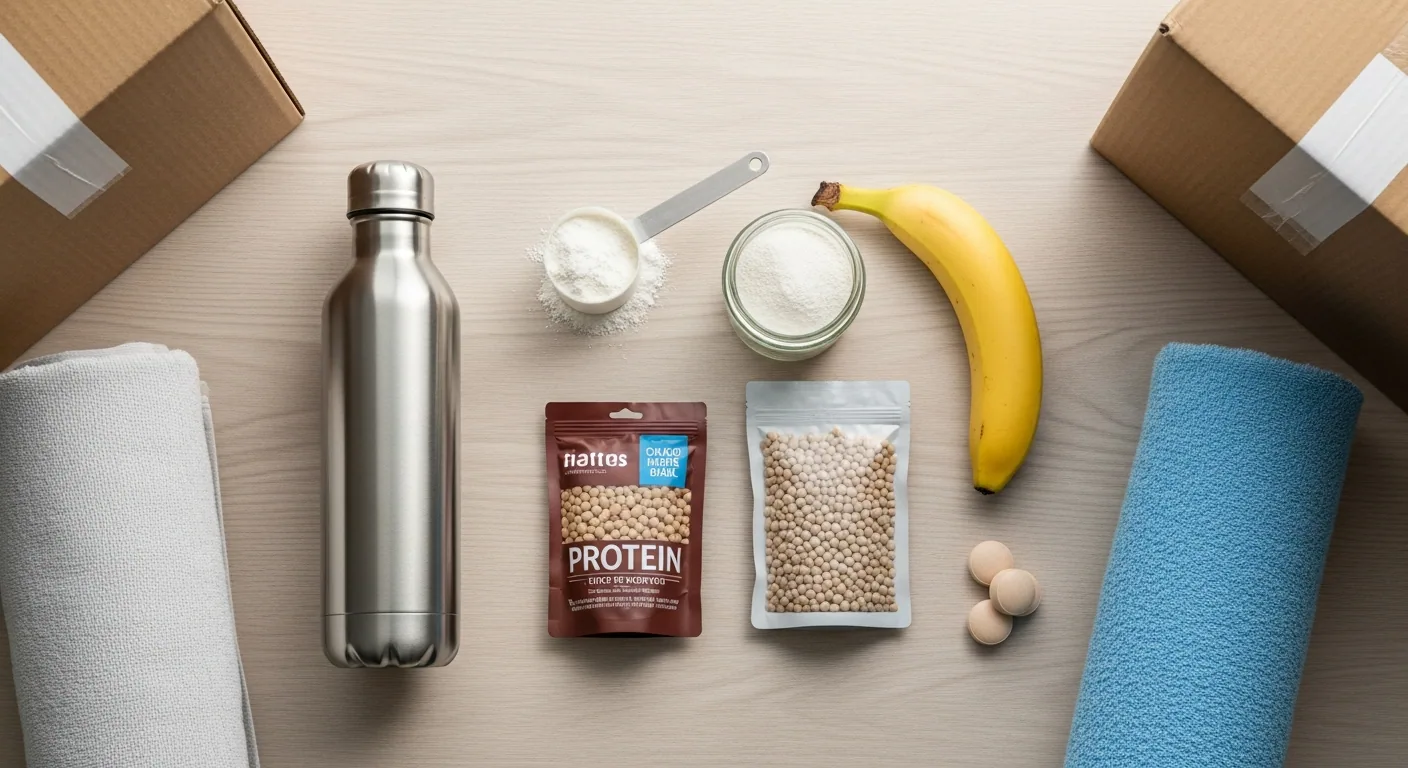
Consider a strength and recovery supplement. If your move is going to involve repeated heavy lifting — or if you have been training in the weeks beforehand — one of the most studied ergogenic aids for exactly this kind of short, powerful, repeated effort is creatine monohydrate. It helps your muscles regenerate energy between bursts of exertion, which is precisely the demand pattern of carrying a load, setting it down, and going back for the next one. Canadians looking for a lab-tested option can find a well-researched strength and recovery supplement that ships across the country.
Safe Lifting Technique: Move Heavy Without Getting Hurt
No amount of strength or supplementation matters if your lifting form is wrong. The single biggest cause of moving-day injuries is bending at the waist and hoisting with the lower back instead of driving through the legs. Master the fundamentals below and you protect the most vulnerable part of your body.
The Safe-Lifting Checklist
✓ Stand close to the item with feet shoulder-width apart.
✓ Hinge at your hips and bend your knees — keep your back flat, not rounded.
✓ Grip firmly, brace your core as if bracing for a punch, and hold the load close to your body.
✓ Drive up through your legs and glutes, exhaling as you rise.
✓ Never twist while loaded — turn with your feet instead of your spine.
✓ If it feels too heavy, it is. Get a second person or a dolly.
The same principles that physiotherapists teach for the gym apply here; the Mayo Clinic's back-protection guidance is worth a two-minute read before your move. For the largest, most awkward pieces — pianos, armoires, appliances — accept that some items are simply two-person jobs, and that lifting straps and a furniture dolly are worth every dollar.

Teamwork changes everything. Two people lifting with coordinated timing and clear communication — counting down before each lift, agreeing on the path in advance, and calling out steps and turns — is dramatically safer than one person straining alone. If you are debating whether to rope in friends or hire a crew, our breakdown of DIY truck rental versus professional movers in Ottawa lays out the real costs of each.
Recovery After Moving Day: Bounce Back Faster
What you do in the hours after the last box comes off the truck determines whether you wake up refreshed or wrecked. Recovery is not optional — it is the final phase of the workout.
Rehydrate and refuel within an hour. Replace fluids and eat a balanced meal with protein and carbohydrates to kick-start muscle repair. This is another window where a recovery-focused routine — including creatine for muscle recovery alongside adequate protein — can help reduce next-day soreness and support the rebuilding your muscles are already doing.
Move, then rest. Do not collapse onto the couch and freeze up. Light walking and gentle stretching flush out metabolic byproducts and keep your muscles from seizing. Foam rolling your quads, hamstrings, and upper back for ten minutes pays off enormously. Then prioritize sleep — deep sleep is when the majority of tissue repair happens.
Manage the aches. A warm shower or bath eases tension, and alternating with cold can reduce inflammation in overworked joints. If you tweaked something, the classic rest-ice-compression-elevation approach handles minor strains; anything sharp or persistent deserves a call to a health professional.
When to Skip the Workout and Hire Professional Movers
Preparing your body is empowering, but it is not always the smart play. Sometimes the healthiest, most cost-effective decision is to let a trained crew carry the load while you protect your back, your schedule, and your sanity. Consider hiring professionals when:
- You are moving heavy specialty items like a piano, a safe, or large appliances.
- Your building has multiple flights of stairs, tight corners, or no elevator.
- You have a pre-existing back, knee, or shoulder issue you should not risk.
- You are on a tight timeline and cannot afford a days-long recovery.
- You simply want the whole thing done quickly, safely, and without the aftermath.
A professional crew trains for this work every single day, arrives with the right equipment, and carries the liability so you do not have to. If that sounds like the right call, our residential moving service and full-service packing take the entire physical burden off your shoulders — and you can get a free moving quote in minutes. As Ottawa's top-rated movers, we handle the heavy lifting so your only workout is deciding where the couch goes.
Whether you decide to train up and tackle it yourself or hand the keys to a crew, the principle is the same: respect moving day as the athletic event it is. Prepare your body, fuel it well, lift smart, and recover deliberately — and you will finish strong instead of sore.
Frequently Asked Questions
Is moving day really as physically demanding as a workout?
Yes. A full day of loading and unloading can burn well over 1,500 calories and involves hundreds of lifts, thousands of steps, and hours of carrying awkward loads. It combines strength, endurance, and stability demands, which is why treating it like an athletic event helps you avoid injury and fatigue.
How should I prepare my body in the week before moving?
Focus on mobility and activation rather than intense new workouts. Practice the hip-hinge lifting pattern, do loaded carries with a weighted bag, foam roll and stretch daily, sleep well, and start hydrating the day before. Avoid heavy training in the final two days so you are not sore on the day itself.
Does creatine actually help with the physical demands of moving?
Creatine monohydrate is one of the most researched supplements for short, repeated bursts of powerful effort, which mirrors the lift-carry-repeat pattern of a move. It supports strength and recovery for healthy adults, but it is not a substitute for good technique, hydration, and rest. Always check with your doctor or pharmacist before starting any supplement.
What is the correct way to lift heavy boxes and furniture?
Stand close, set your feet shoulder-width apart, hinge at the hips and bend your knees while keeping your back flat, brace your core, and drive up through your legs. Hold the load close to your body and never twist while carrying weight — turn with your feet. If an item feels too heavy, use a second person or a dolly.
How do I recover faster after a move?
Rehydrate and eat a protein-and-carbohydrate meal within an hour, take a short walk and stretch instead of sitting still, foam roll your major muscle groups, and prioritize sleep since that is when most muscle repair happens. A warm shower and light next-day movement also reduce soreness.
When should I hire professional movers instead of doing it myself?
Hire professionals when you have heavy specialty items, stairs or tight access, a pre-existing injury, a tight timeline, or simply want the job done safely without the physical toll. A trained crew brings the right equipment and carries the liability. You can request a free quote from Prestige Moving Ottawa online in a few minutes.